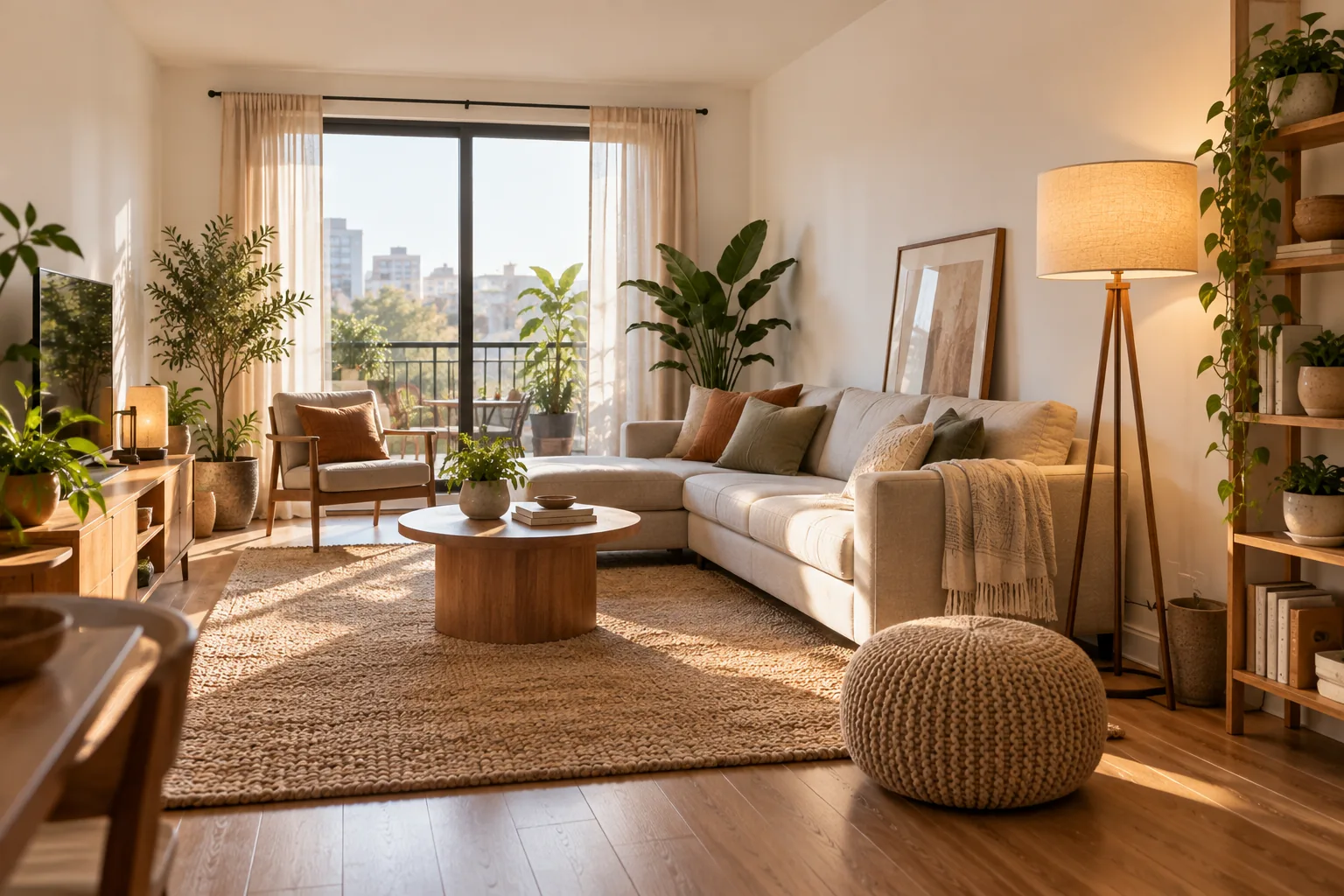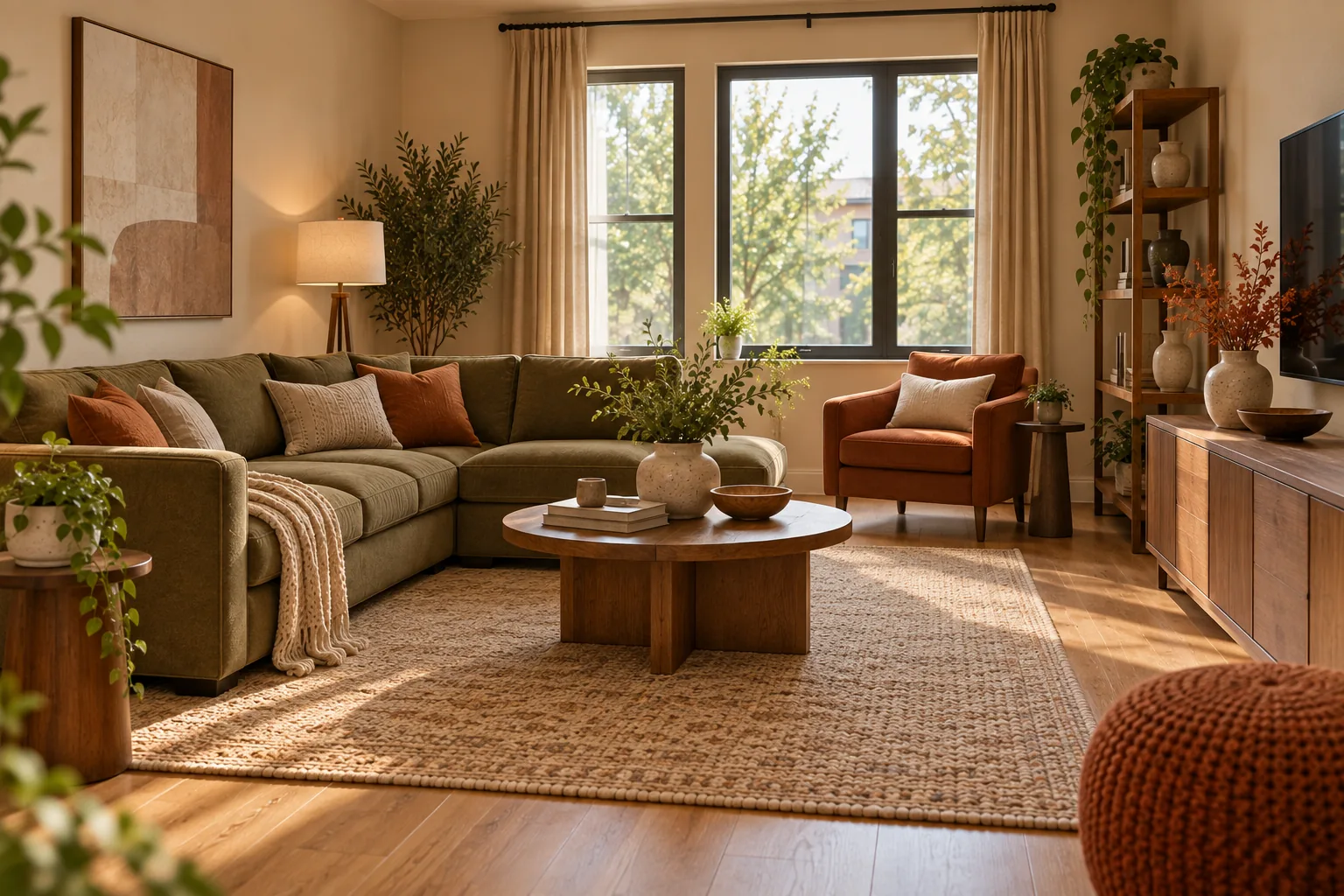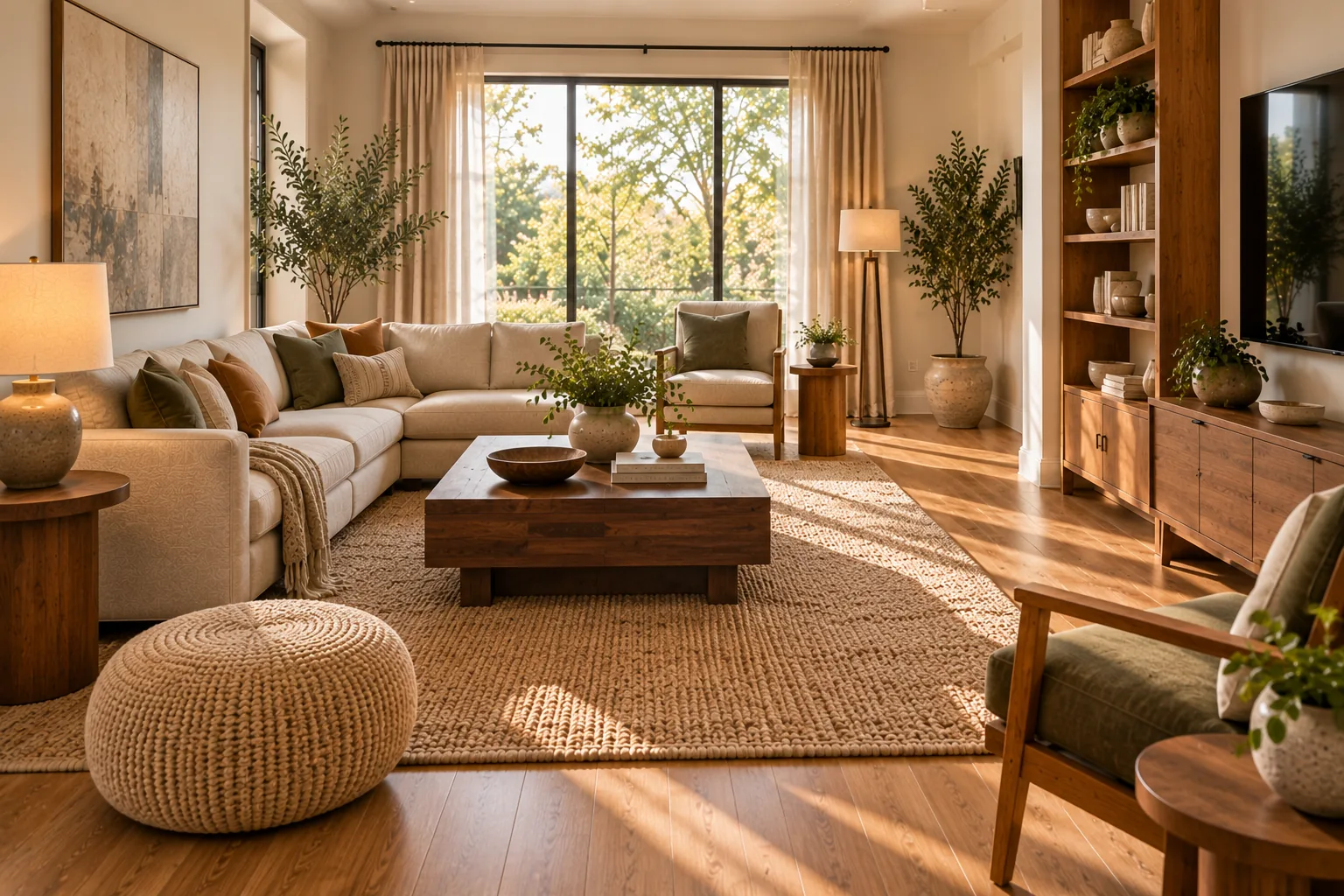
A Room-by-Room Guide to Layering Lighting
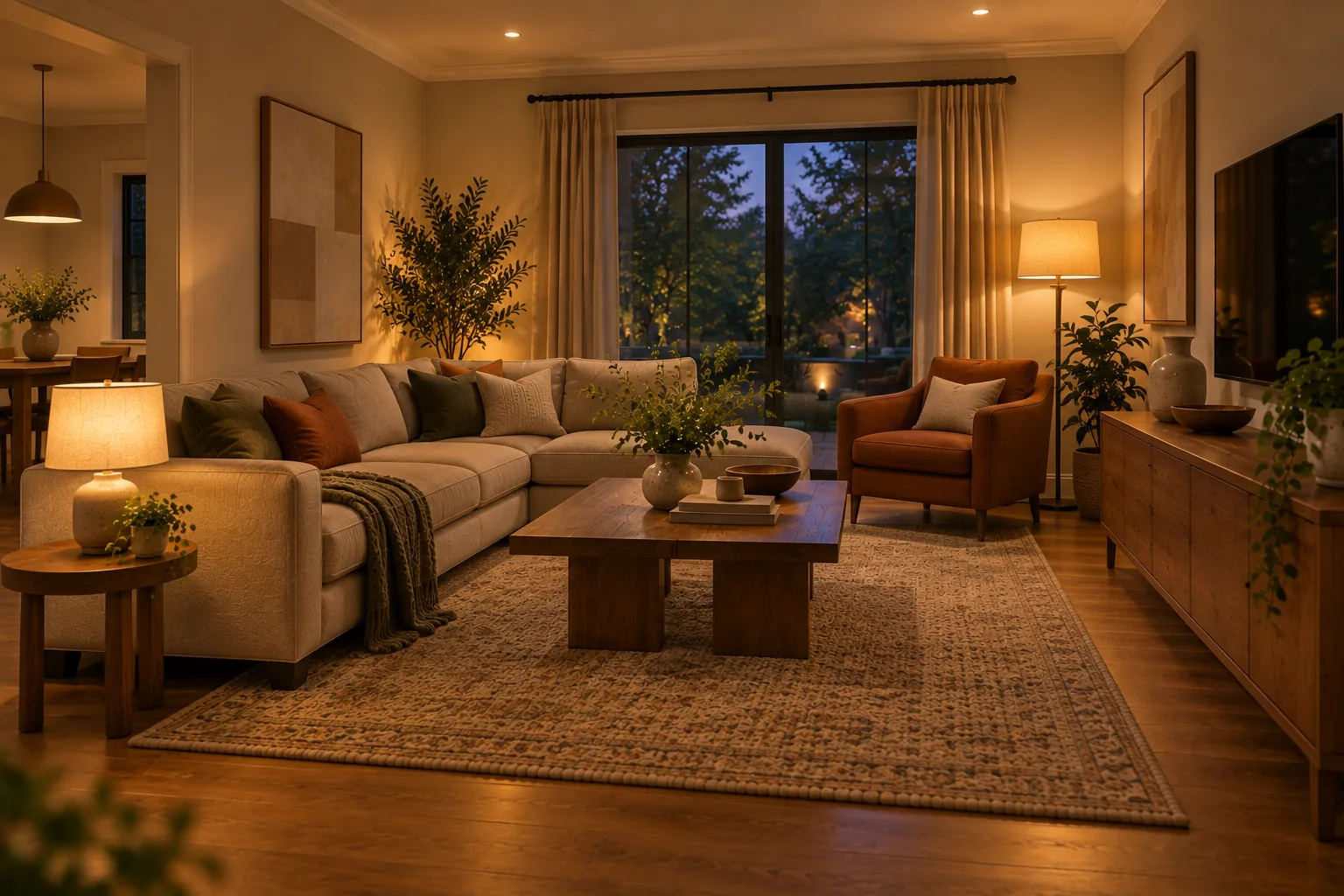
Ambient, task and accent lighting explained with the why, applied room by room — plus lumens, rental-friendly fixes, and the mistakes to avoid.
A room can be technically well-lit and still feel flat, harsh, or oddly uninviting. Almost always, the cause is the same: one ceiling fixture doing a job that actually needs three different kinds of light.
Layered lighting isn't a decorating trend, and it isn't about buying more lamps for the sake of it. It's about giving a room the specific combination of light it needs to function at different times and for different tasks, instead of asking a single overhead fixture to handle everything from cooking dinner to reading before bed.
Why One Overhead Light Is Never Enough
A single ceiling fixture casts light from one direction and one height, which creates flat, even illumination with harsh shadows directly beneath anything it hits. It also gives you exactly one setting — on or off — for a room that's used completely differently at 7am, 2pm, and 9pm. The fix isn't a brighter bulb. It's additional light sources positioned at different heights, doing different jobs.
The Three Layers: Ambient, Task, and Accent
Ambient light is the general, overall illumination in a room — typically ceiling fixtures, recessed lighting, or a central pendant. It sets the baseline brightness but shouldn't be the only source in the room.
Task light is focused, functional light aimed at a specific activity — a reading lamp beside a chair, under-cabinet lighting over a counter, a desk lamp angled onto a workspace. Task lighting needs to be bright enough and positioned correctly for the activity, independent of how the rest of the room is lit.
Accent light is used to highlight something specific — art, a shelf, an architectural feature — and adds depth rather than overall brightness. It's the layer people skip most often, and the one that does the most to make a room feel considered rather than simply illuminated.
How Much of Each Layer a Room Actually Needs
Not every room needs all three layers at full strength, but most functional rooms benefit from at least two. A bedroom might lean heavily on task and accent lighting with minimal ambient light in the evening; a kitchen needs strong task lighting over work surfaces regardless of how much ambient light is present. The question worth asking room by room isn't "is there enough light" but "does light exist at more than one height, doing more than one job."
How Bright Should Each Layer Be?
Rather than guessing at wattage, think in lumens, which measure actual brightness regardless of bulb type. As a rough guide: ambient light in a living space works well around 1,500-3,000 total lumens for an average room, task lighting for reading or close work benefits from a more concentrated 450-800 lumens right at the surface being used, and accent lighting is intentionally dimmer, often 200-400 lumens, since its job is to highlight rather than illuminate. These are starting points, not fixed rules — a larger room or one with darker walls will need more ambient light to reach the same effective brightness.
Bathroom Lighting: Getting Task Light Right
Bathroom lighting is worth calling out separately because it's the room most likely to get task lighting backwards. A single overhead fixture or recessed can directly above the mirror casts shadows downward across the face — exactly the opposite of what's useful for grooming or applying makeup. Sconces mounted on either side of the mirror, at roughly face height, light the face evenly from both sides and eliminate that shadow problem. Where a small bathroom doesn't have wall space for side sconces, a wider light fixture directly above and slightly in front of the mirror is the next-best option. This one fix does more for a bathroom's usability than upgrading the fixture's style or brightness alone. For the rest of a small bathroom's lighting and layout, small bathroom ideas that make the space feel bigger covers the fuller picture.
Living Room Lighting, Layer by Layer
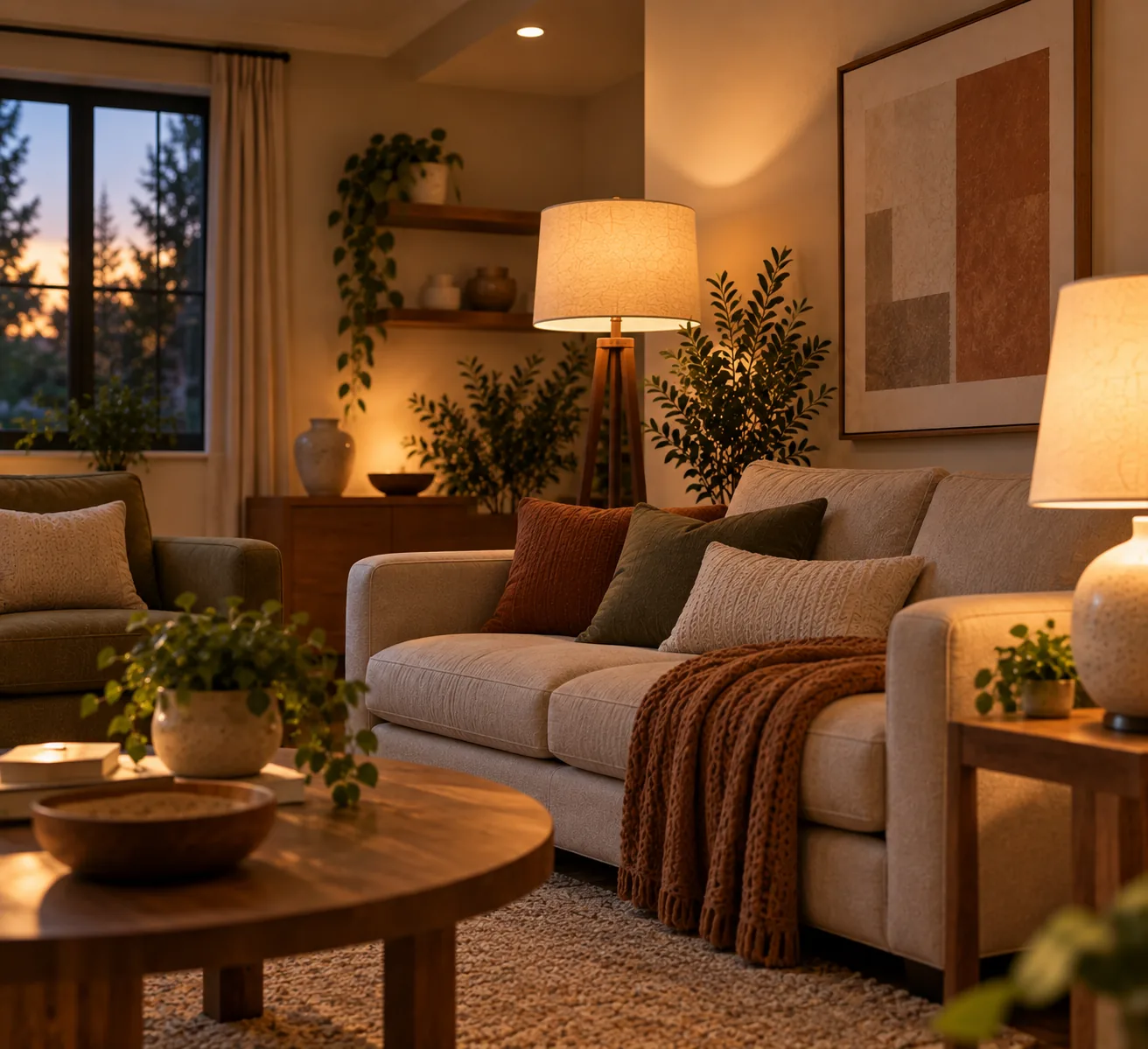
Ambient light usually comes from an overhead fixture or recessed lighting, ideally on a dimmer. Task light comes from a floor or table lamp positioned beside seating, bright enough to read by. Accent light is often the most skipped layer here — a small picture light or an uplight behind a plant adds the dimension that ambient and task light alone can't.
Bedroom Lighting, Layer by Layer
Ambient light in a bedroom can stay minimal, especially in the evening, since bright overhead light works against winding down. Task light matters most here: a lamp on each nightstand, positioned at a height that lets you read without craning your neck, is worth more than a stronger ceiling fixture. Accent light — a warm strip behind a headboard, or a small lamp on a dresser — adds warmth without waking the room up.
Kitchen Lighting, Layer by Layer
Ambient light sets the room's general brightness, usually from ceiling fixtures or recessed cans. Task light is non-negotiable here and is the layer most kitchens get wrong: under-cabinet lighting illuminates the counter itself, rather than leaving it in the shadow your own body casts when working under only an overhead light. Pendant lights over an island function as both task and ambient light depending on their height and brightness. Accent light is optional in a kitchen but can highlight open shelving or a backsplash detail.
Home Office Lighting, Layer by Layer
Task light is the priority in any workspace — a desk lamp positioned to avoid glare on a screen, angled from the side rather than directly overhead. Ambient light should be present but adjustable, since screen work is more comfortable with dimmer general light than reading a physical document is. Accent lighting is genuinely optional here and mostly serves to make the space feel less clinical during long working hours.
Common Lighting Mistakes
Mistake: Relying on one ceiling fixture for the entire room. This is the root cause behind most "this room feels flat" complaints, regardless of how bright the bulb is or how nice the fixture looks.
Mistake: Every light source at the same brightness with no dimmers. A room lit uniformly at full brightness all evening doesn't adapt to how it's actually being used. Dimmers, or simply a mix of lower-wattage lamps, let the same room shift from functional to relaxed without changing fixtures.
Mistake: Task lighting positioned to cast your own shadow on the work. Overhead-only kitchen lighting is the classic example — standing at the counter blocks the light from above, leaving the counter itself dim. Task light needs to come from in front of or beside the work, not directly above the person doing it.
Mistake: Mixing bulb color temperatures inconsistently. A warm 2700K lamp next to a cool 4000K overhead fixture in the same room creates a visual mismatch that's subtle but noticeable. Keeping bulb temperature consistent across a room's light sources, generally in the warmer 2700-3000K range for living spaces, avoids this.
Rental-Friendly Lighting
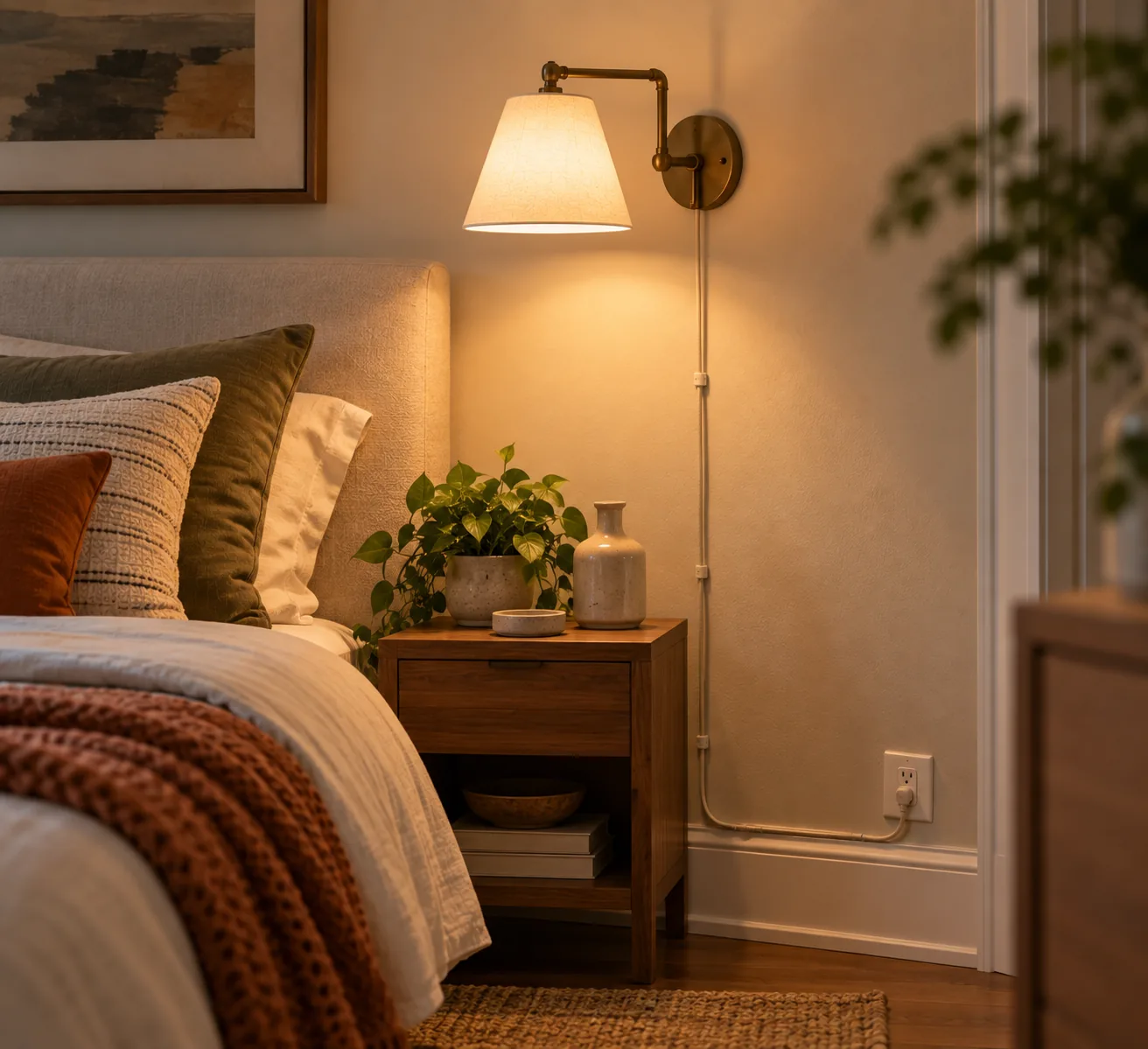
None of this requires rewiring anything. Plug-in wall sconces with a cord cover, floor and table lamps, and smart bulbs that dim via an app or remote all add layered light without touching a rental's fixed wiring. A smart bulb in an existing overhead fixture is one of the fastest ways to add dimming control to a room where you can't install a physical dimmer switch.
Smart Bulbs vs. Traditional Dimmer Switches
A hardwired dimmer switch is the more permanent, seamless solution, but it requires electrical work and isn't an option for most renters. A smart bulb, screwed into an existing fixture and controlled through an app, a remote, or a smart speaker, achieves the same dimming and even color-temperature adjustment without touching any wiring. The tradeoff is that a smart bulb only dims the fixture it's installed in, while a dimmer switch controls everything wired to that switch at once. For a single lamp or fixture, a smart bulb is usually the simpler and cheaper choice; for a whole room wired to one switch, a dimmer is worth the investment if you own the space.
Budget-Friendly Priorities
If you're adding layers gradually, prioritize task lighting first — it has the most direct effect on how usable a room is. Accent lighting is the least urgent layer and the easiest to add later once the functional layers are in place. This mirrors the same warm, livable approach covered in making a home feel warmer and more inviting, where lighting is one of the highest-impact, lowest-cost changes available.
A Simple Lighting Checklist
- Does this room have light from more than one height?
- Is there dedicated task light for whatever the room is actually used for?
- Can the room's brightness change between daytime and evening use?
- Are the bulb color temperatures consistent across sources?
- Is there at least one accent light highlighting something specific?
Light the Room for How It's Actually Used
Layered lighting isn't about adding more fixtures for their own sake — it's about matching light to function, at more than one height, with the flexibility to change through the day. Start with task lighting wherever it's currently missing, add ambient control through a dimmer or smart bulb, and treat accent lighting as the finishing layer once the functional ones are working. The same underlying idea — layering, not defaulting to one flat solution — runs through the interior design principles behind rooms that feel beautiful as well.
What's the difference between ambient, task, and accent lighting?
Ambient light is a room's general overall illumination. Task light is focused light for a specific activity, like reading or cooking. Accent light highlights a specific object or feature rather than lighting the room as a whole.
How many light sources should a living room have?
At minimum, one ambient source and one task source — typically an overhead or recessed fixture plus at least one floor or table lamp. Three or more sources at different heights is common in a well-lit living room.
What color temperature should I use for home lighting?
Generally 2700-3000K (warm white) for living spaces and bedrooms. Cooler temperatures above 4000K can feel clinical in a home setting and clash if mixed inconsistently with warmer bulbs in the same room.
Can I add layered lighting in a rental without rewiring anything?
Yes. Plug-in sconces, floor and table lamps, and smart bulbs controlled by an app or remote all add ambient, task and accent layers without any permanent electrical work.