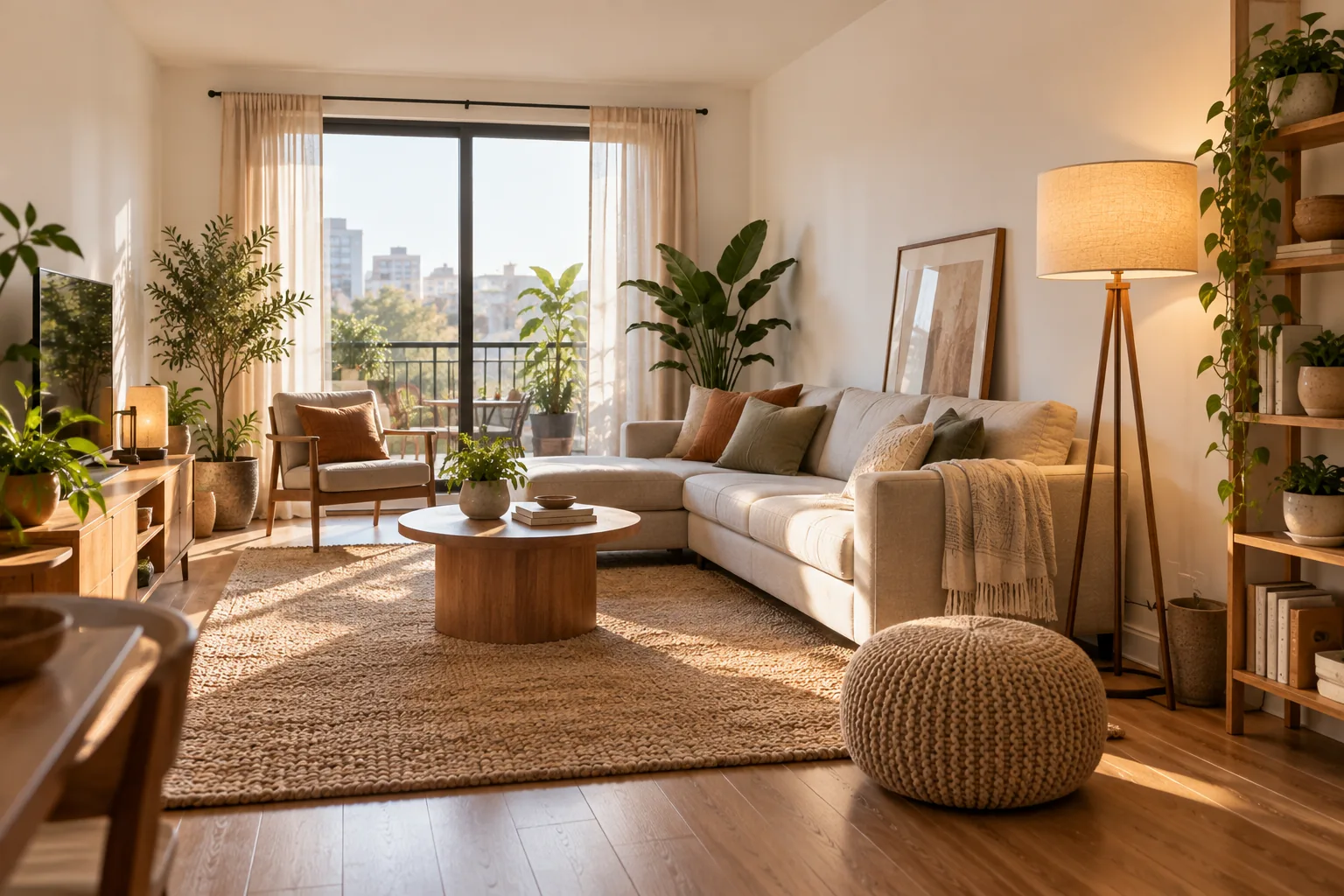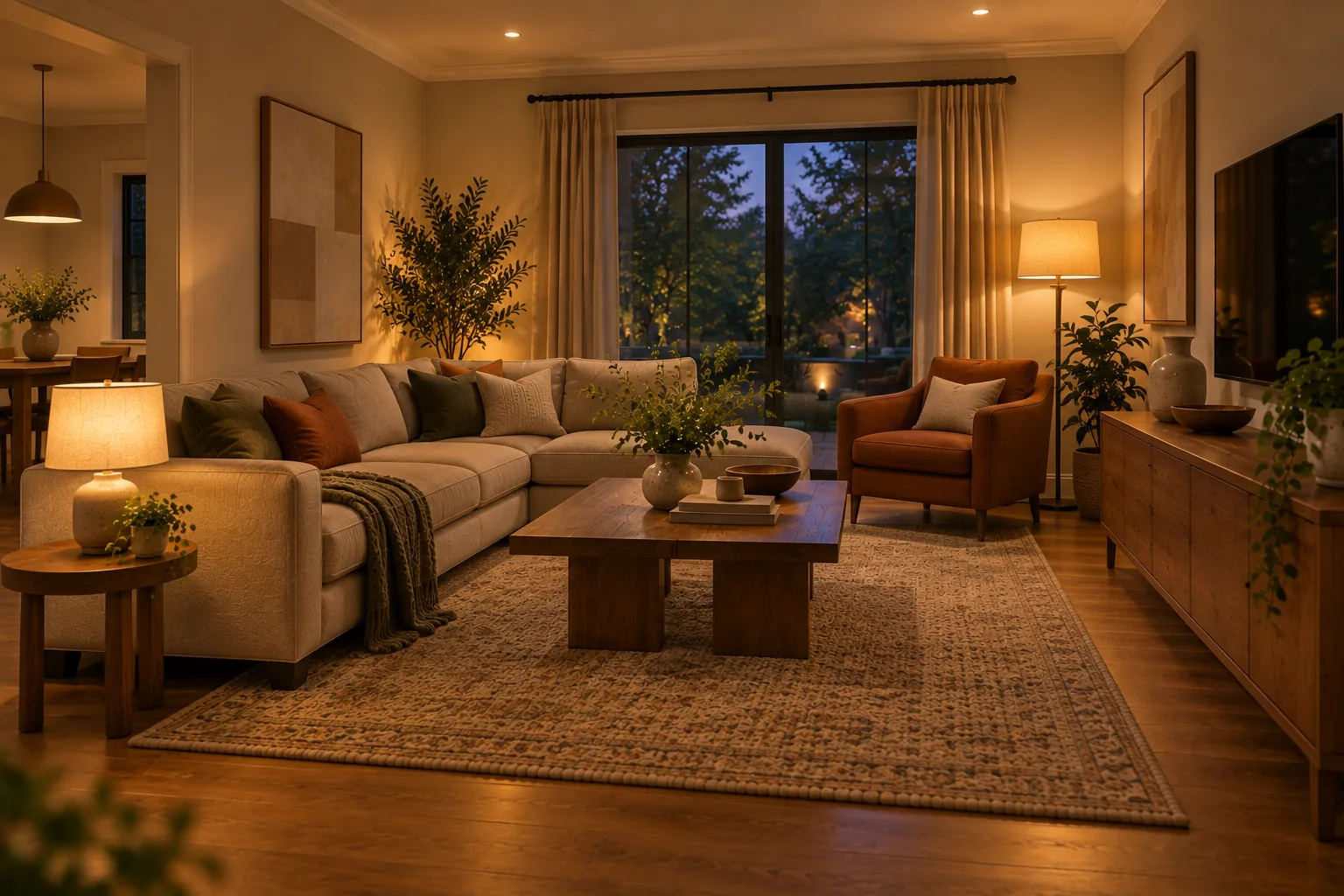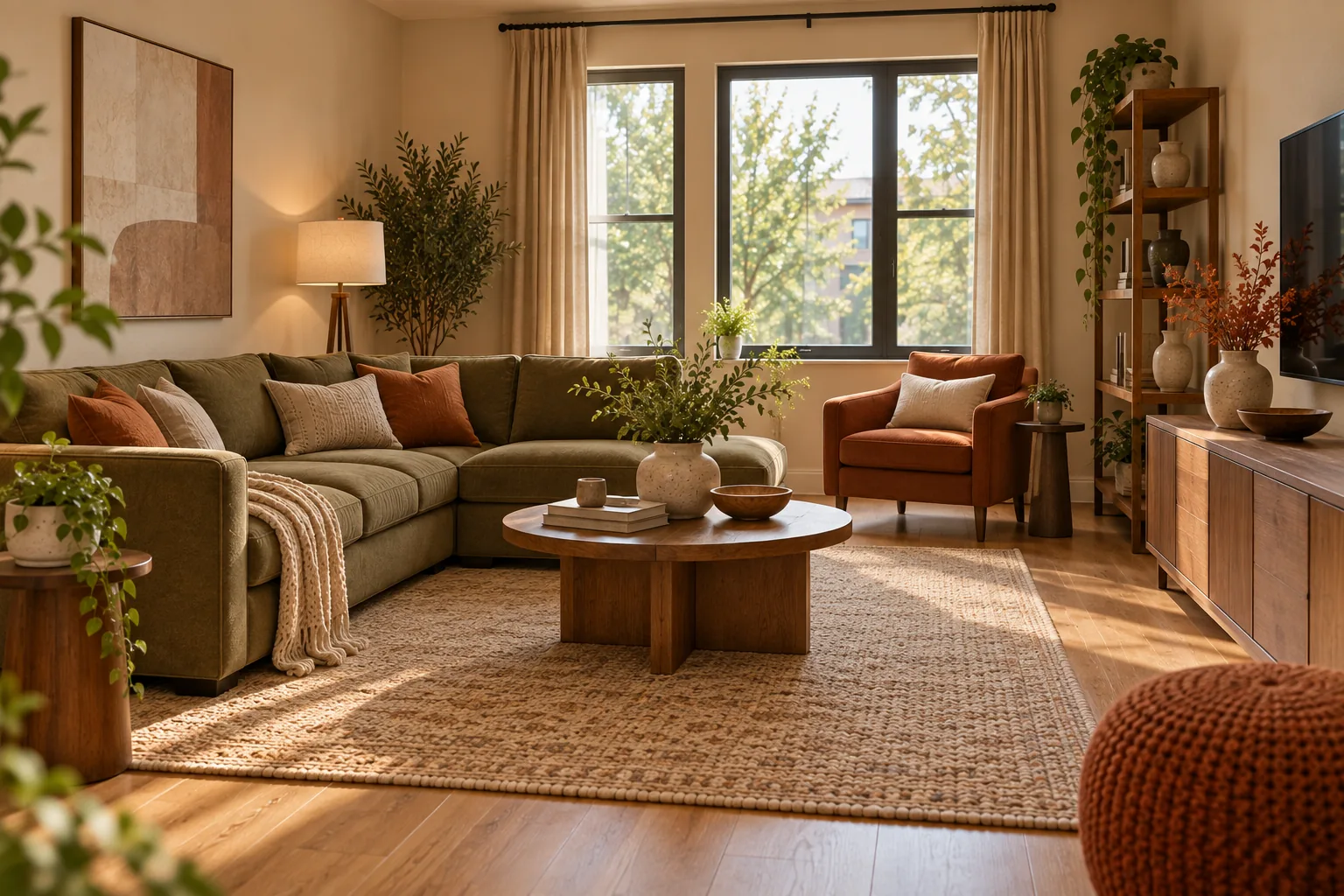
25 Simple Home Decor Ideas That Make a Room Feel More Finished
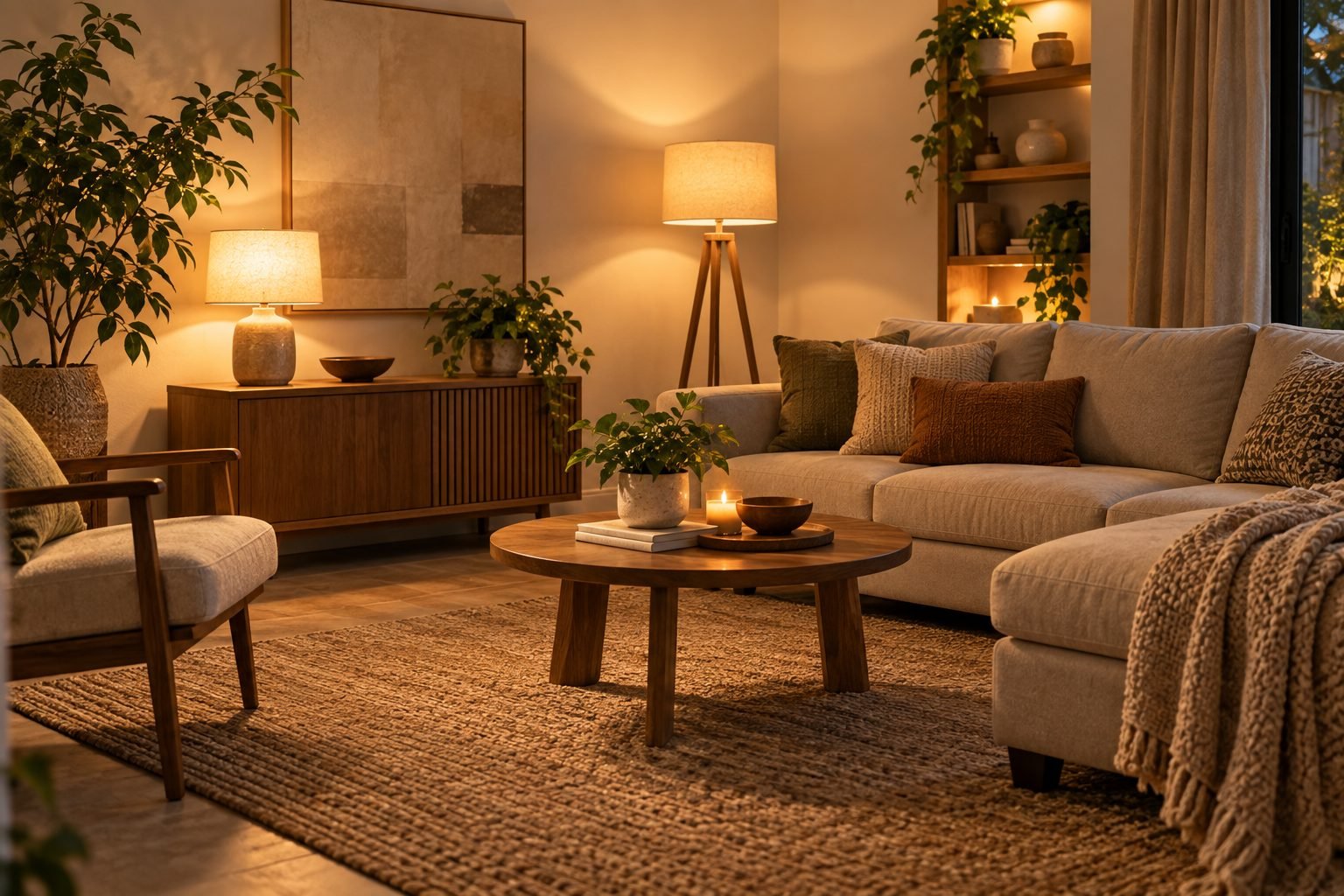
The styling habits that separate a finished room from a work-in-progress — no renovation or new furniture required.
A finished room isn't a more expensive room. It's a more deliberate one.
Two rooms with nearly identical furniture can feel completely different depending on how they're styled — one reads as considered and complete, the other as a work in progress. The difference almost never comes down to budget. It comes down to a handful of styling habits that are easy to learn and apply to any room in the house.
None of the ideas below require buying new furniture. Here are 25 simple decor moves that make a room feel genuinely finished.
1. Layer At Least Three Types of Lighting
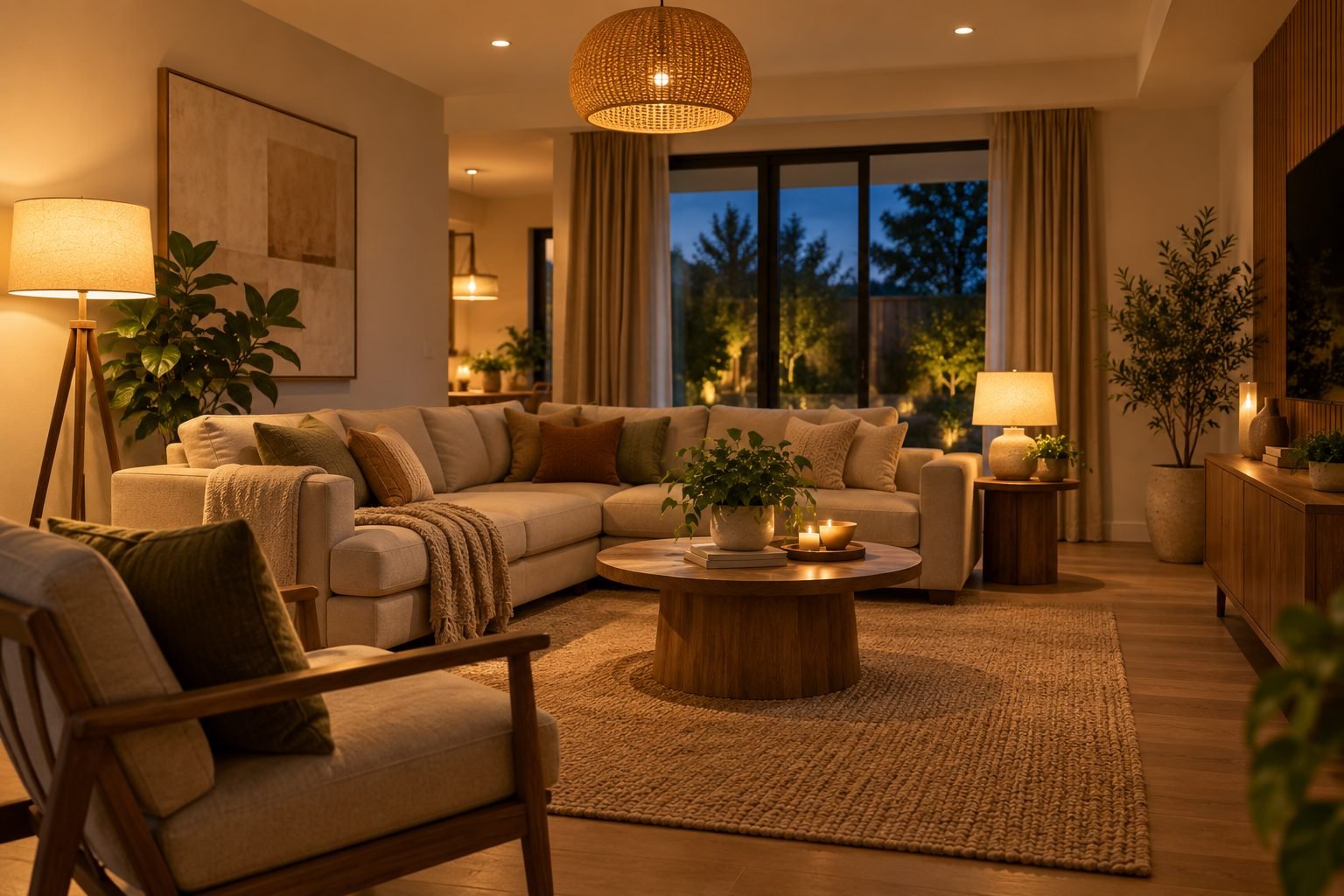
A single ceiling fixture leaves a room feeling flat no matter how nice the furniture is. Combining overhead, floor and table lighting creates depth and lets you adjust the mood of a room throughout the day, not just switch it on and off.
2. Anchor the Room With a Rug That's Actually Big Enough
An undersized rug is one of the most common styling mistakes in any room. As a rule, the front legs of your seating should sit on the rug, not float beside it — a properly sized rug visually anchors the whole seating area instead of looking like an afterthought.
3. Add One Piece of Real Height
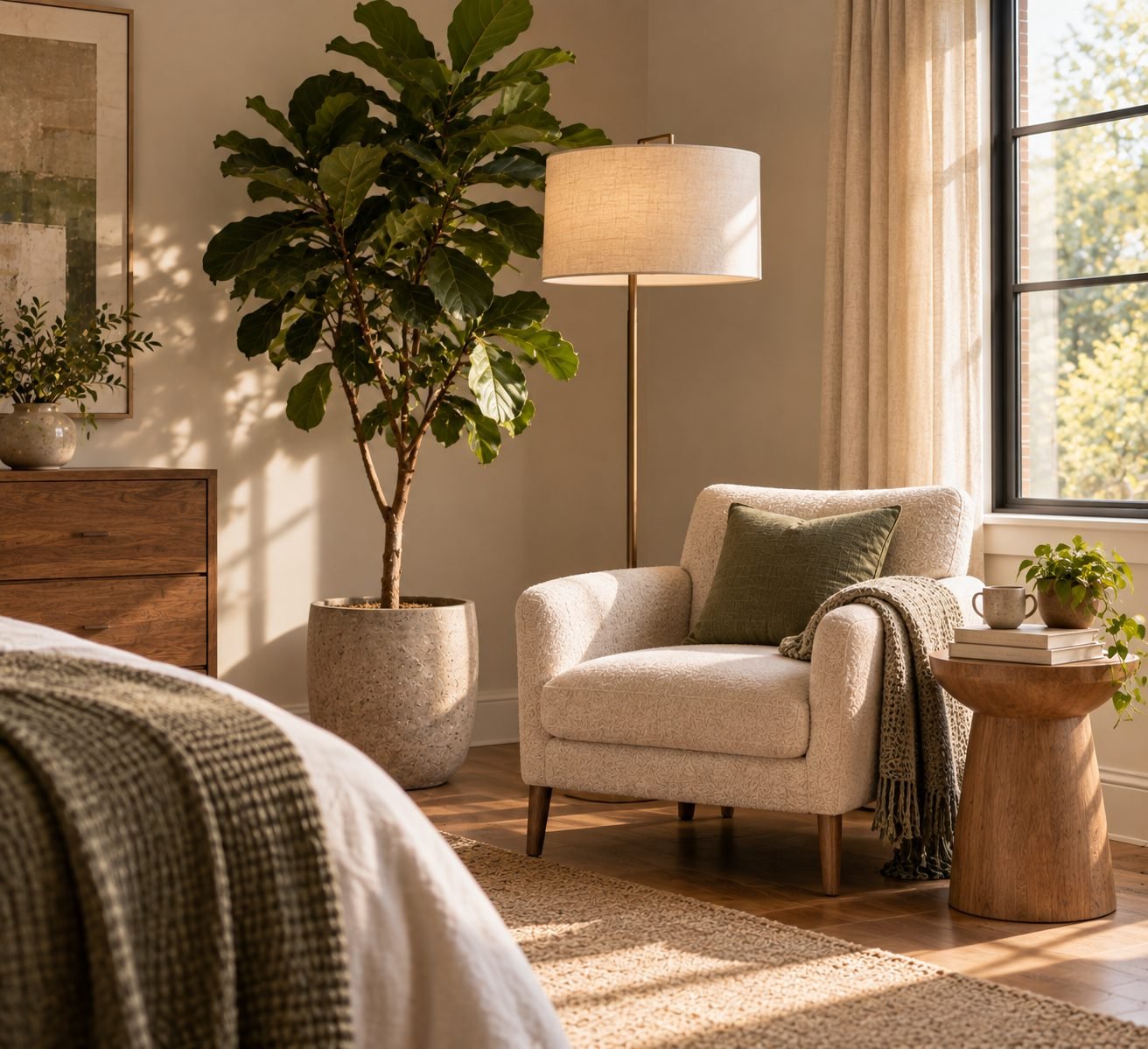
A room where every object sits at roughly the same height reads as flat, regardless of how nice each individual piece is. A tall plant, a floor lamp, or a tall vase gives the eye somewhere to travel vertically, which makes the whole room feel more dynamic.
4. Group Objects in Odd Numbers
A pair of identical objects can look accidental; three objects of varying height read as an intentional grouping. This is one of the oldest styling rules for a reason — it works on a mantel, a shelf, or a console table equally well.
5. Vary Texture, Not Just Color
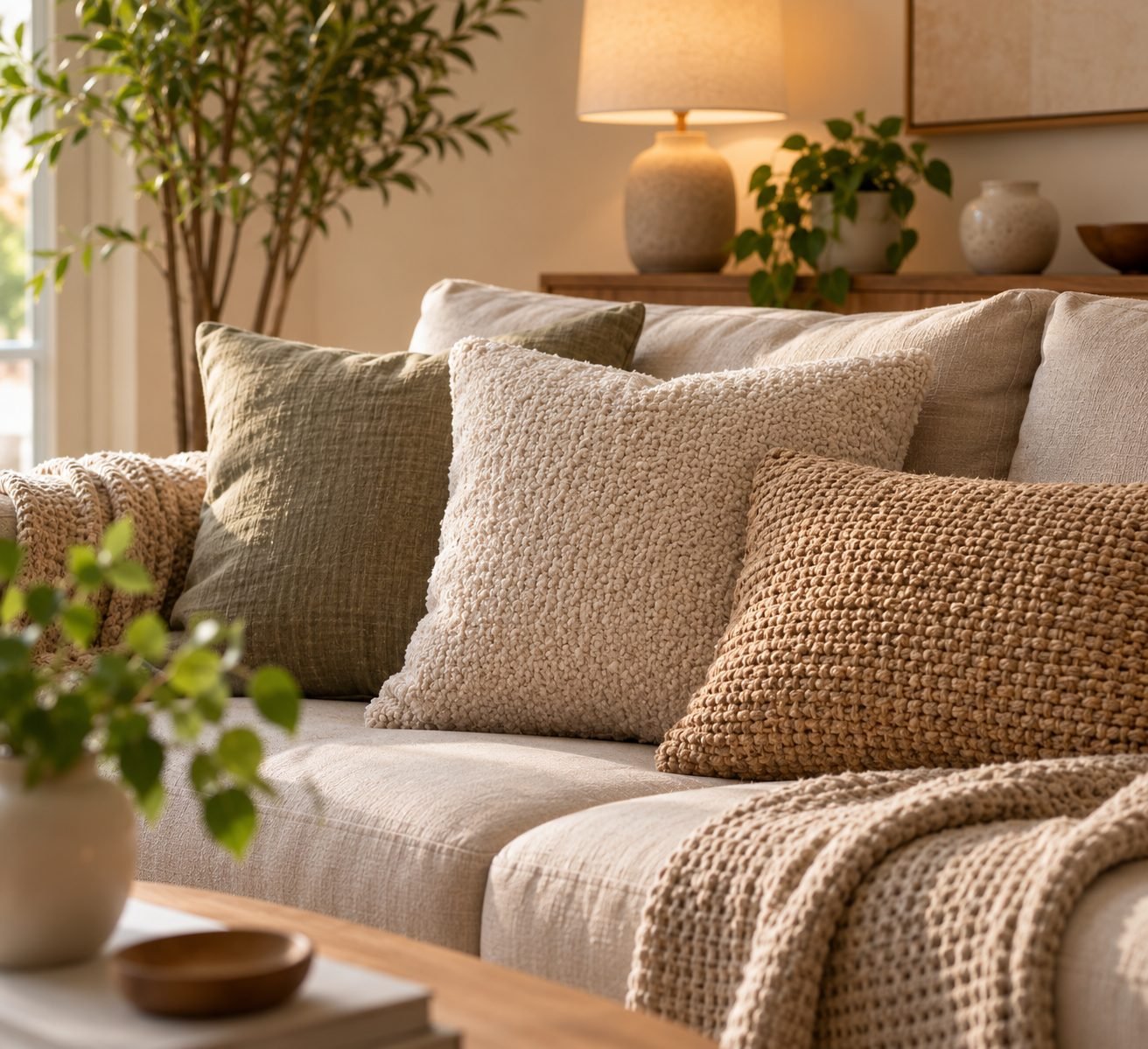
A room in a single neutral color can still feel rich if the materials vary — linen next to boucle, next to a woven basket, next to a smooth ceramic vase. Texture does the work that color alone can't when you're staying in a restrained palette.
6. Hang Art at Eye Level, Not Ceiling Height
Art hung too high is one of the most common finishing mistakes. As a general guide, the center of a piece should land around 57–60 inches from the floor — roughly eye level for someone standing — not centered on the available wall space above a piece of furniture.
7. Use a Gallery Wall With Consistent Framing
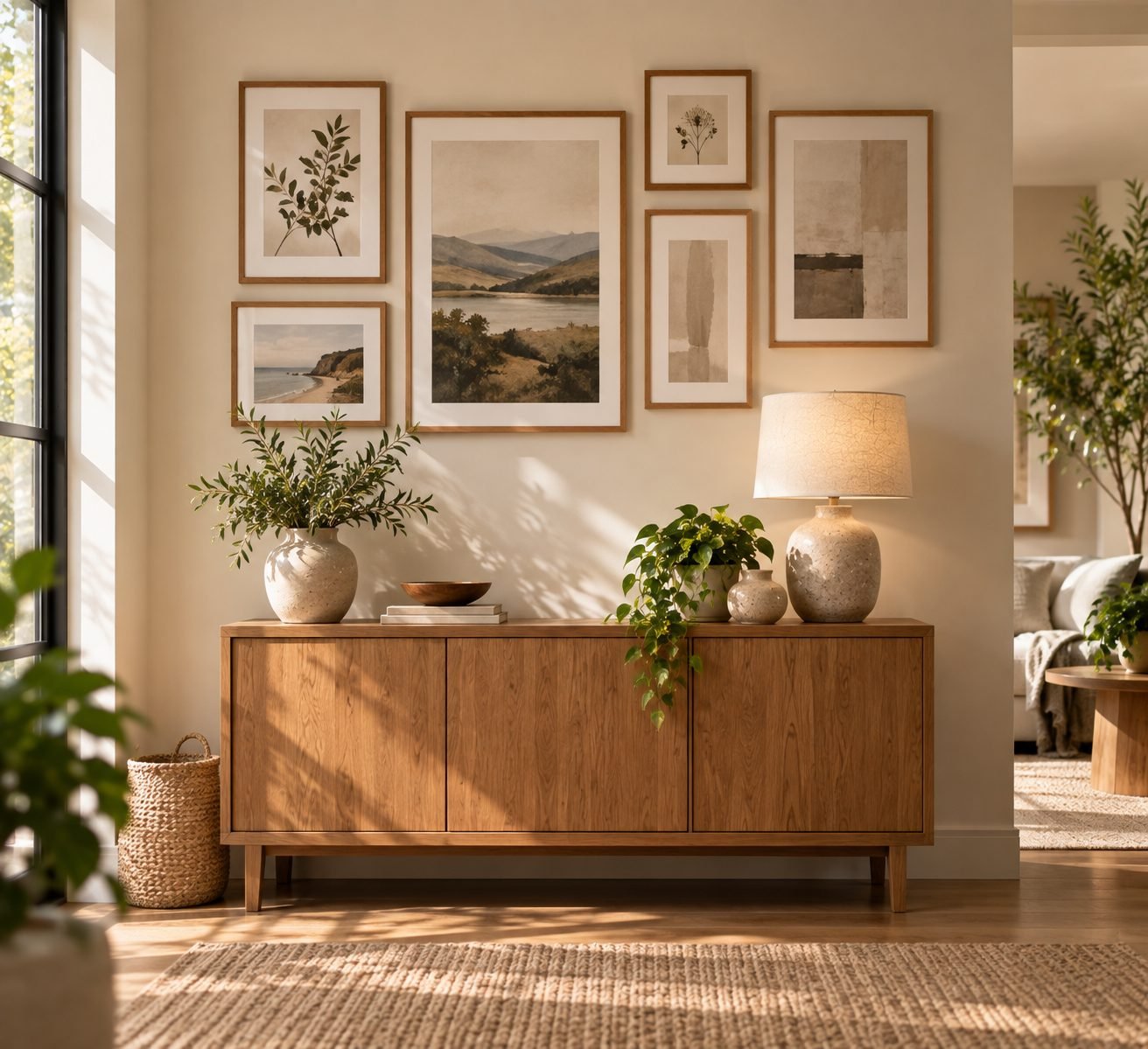
A gallery wall of completely mismatched frames can look chaotic rather than curated. Keeping the frame material or color consistent, even if the artwork and sizes vary, gives an eclectic wall enough visual structure to read as intentional.
8. Add a Textured Throw to a Plain Sofa
A single throw, draped rather than folded too perfectly, adds both color and texture to an otherwise plain sofa in seconds. It's one of the lowest-effort, highest-impact styling additions available.
9. Bring in One Curved Shape
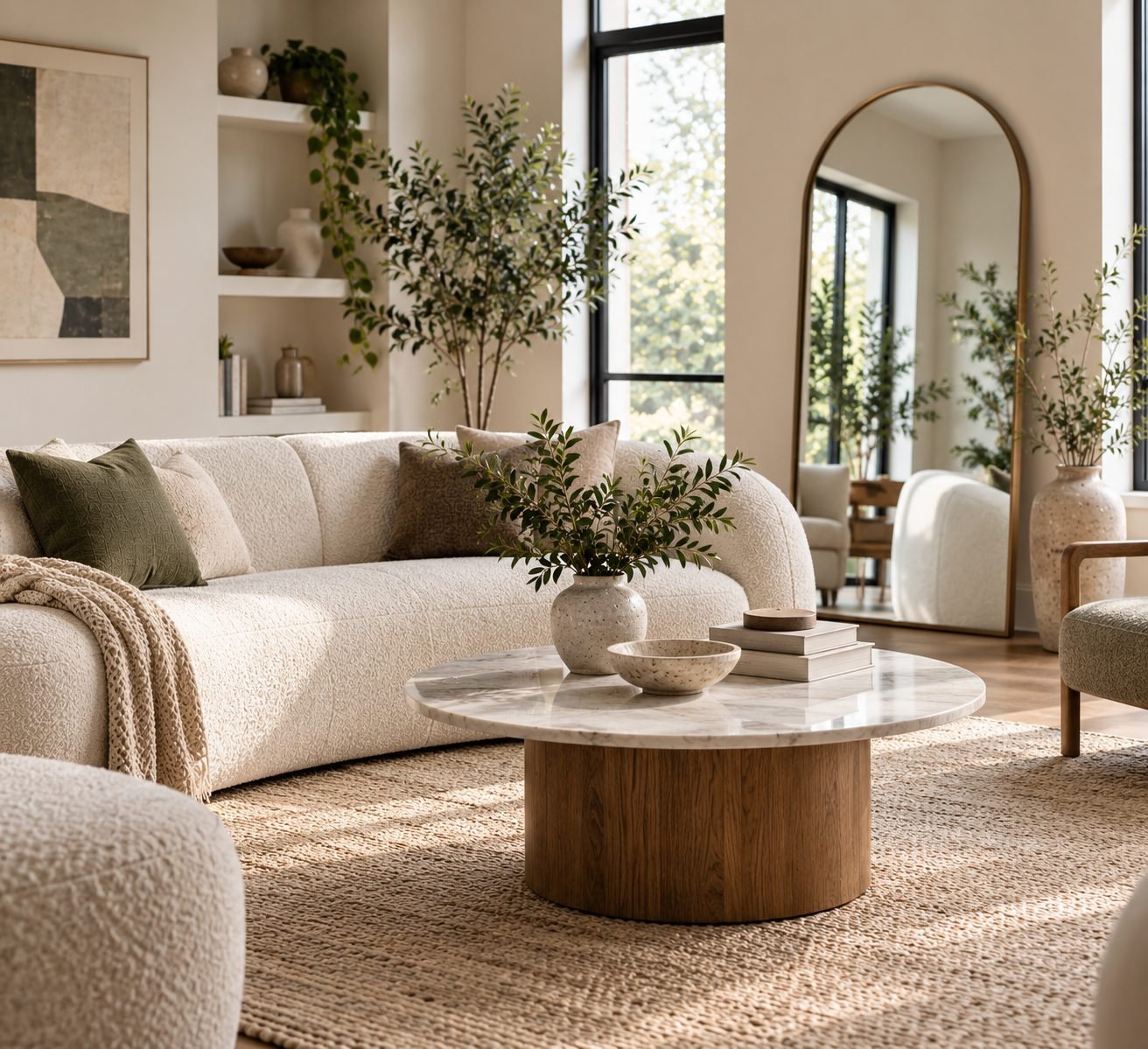
Most furniture is rectilinear — sofas, tables, shelving, doorways. A single curved element, whether it's a round mirror, an arched doorway detail, or a curved side chair, softens the room and keeps it from feeling rigid.
10. Style a Bookshelf With Books Horizontal and Vertical
A shelf of books all standing upright in a row reads as a library, not a styled space. Stacking some books horizontally, adding a small object or plant on top of a stack, breaks up the rhythm and makes the shelf feel more considered.
11. Choose One Metal Finish and Repeat It
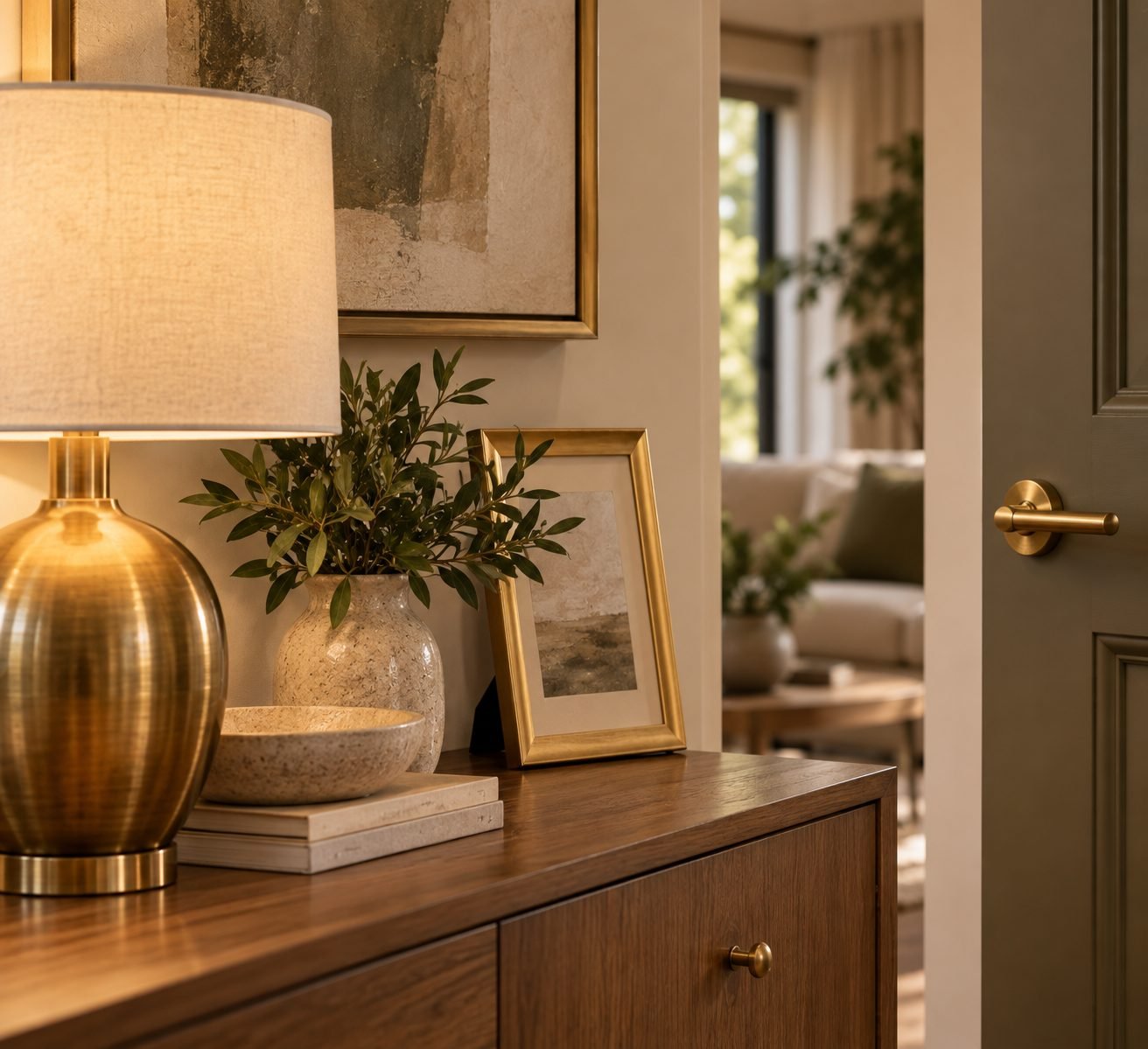
Mixing brass, chrome and matte black hardware throughout one room can look unplanned. Choosing one metal finish and repeating it across lighting, hardware and small objects gives the room a cohesive, considered feel without any extra cost.
12. Add a Tray to Corral Coffee Table Items
Loose items scattered across a coffee table read as clutter, but the same items grouped on a single tray read as a styled vignette. It's a small container that does a lot of visual organizing work.
13. Layer Rugs for a More Collected Look
A smaller patterned or textured rug layered over a larger neutral one adds depth and a sense that the room was built up over time, rather than furnished all at once from a single catalog.
14. Use Candles or Lanterns for Warm Ambient Light
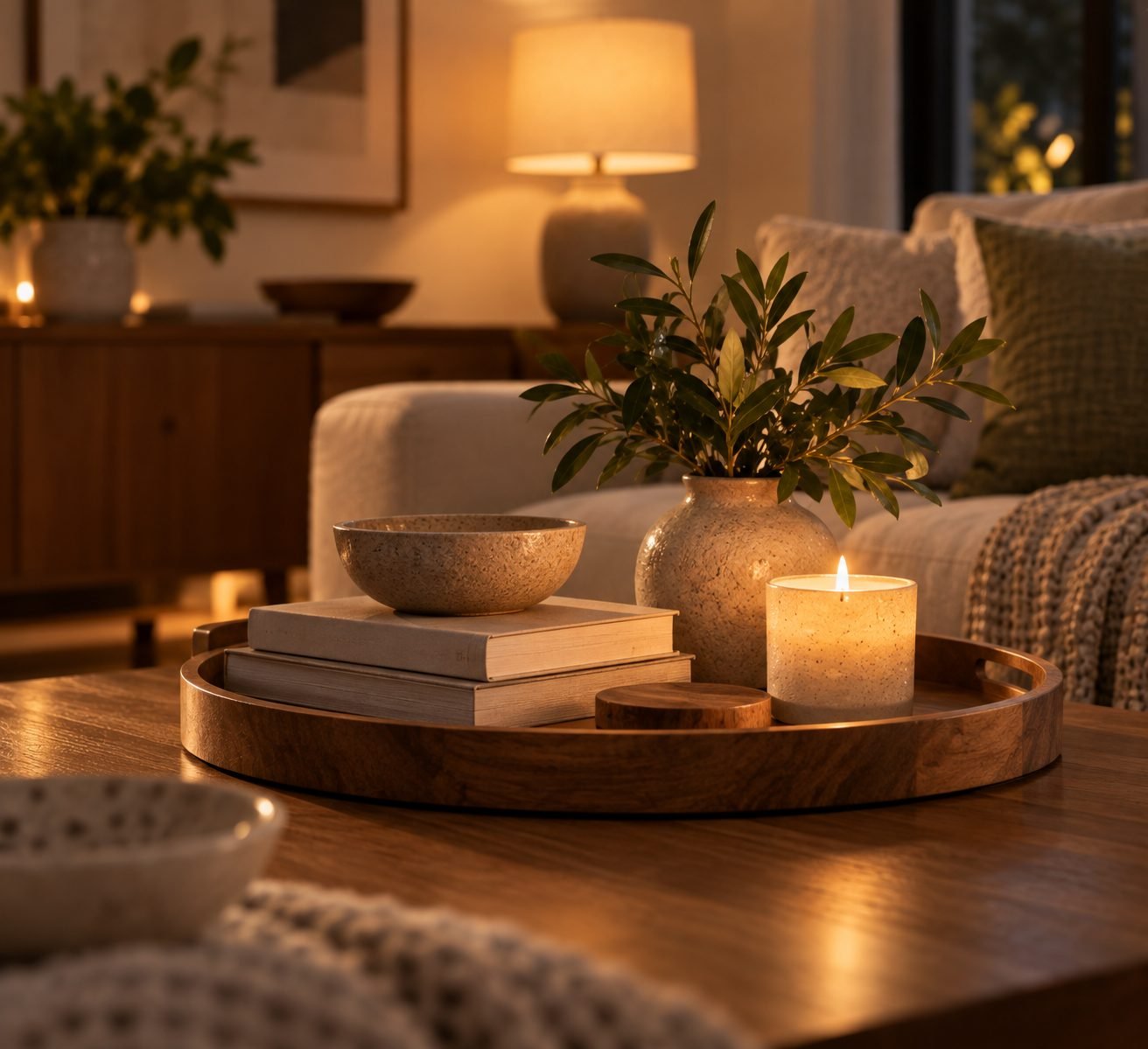
Even with good overhead and lamp lighting, a candle or lantern adds a flicker of warmth that no fixed light source can replicate. It's a small, inexpensive detail that changes the whole feel of a room in the evening.
15. Add Fresh or Faux Greenery at Different Heights
A single plant at eye level and another trailing from a shelf create more visual interest than several plants clustered at the same height. Varying the height of greenery around a room mimics how plants actually grow in nature, which reads as more natural.
16. Repeat One Color at Least Three Times
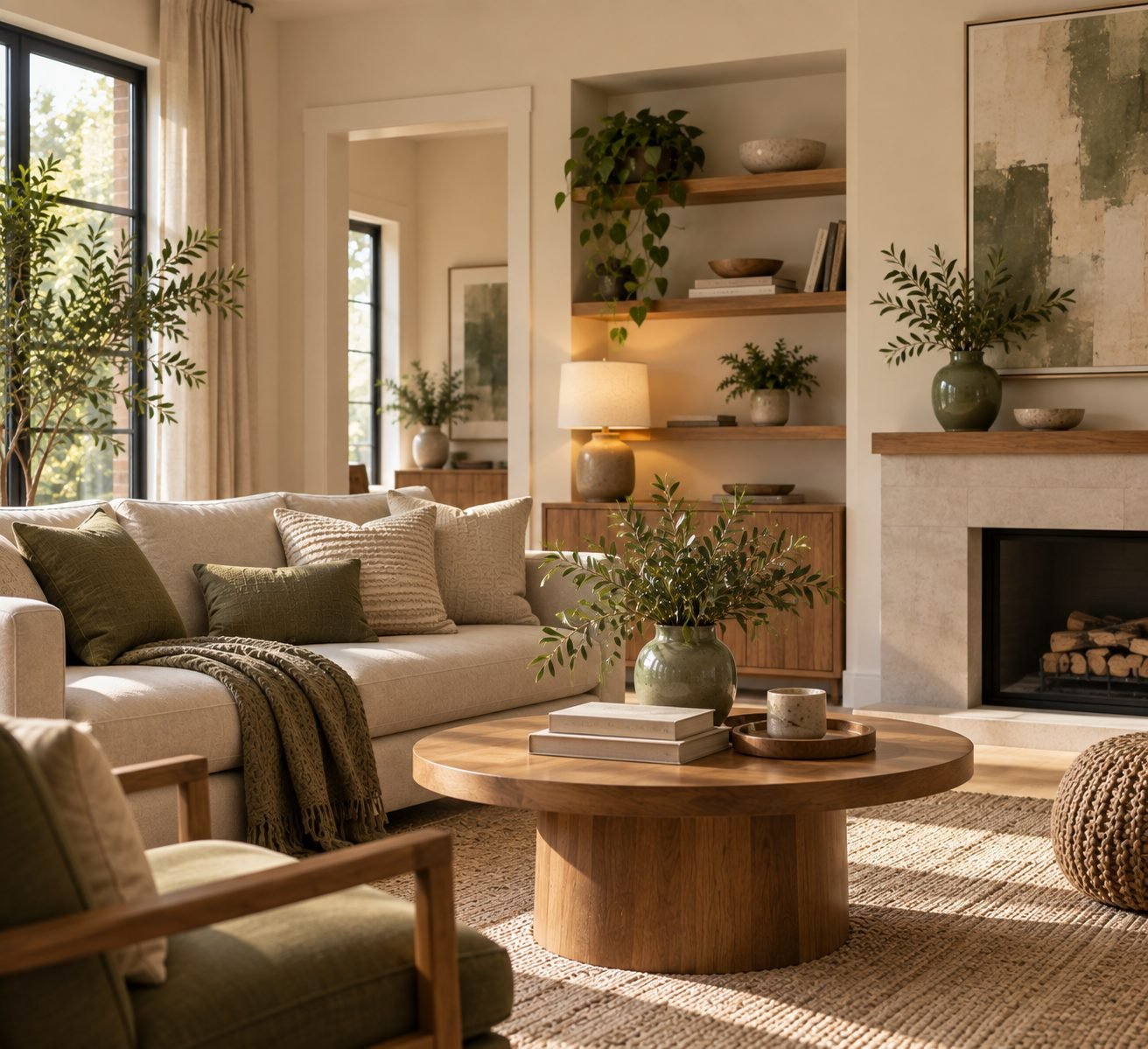
A single accent color that appears only once in a room can look like an accident. The same color repeated at least three times — a pillow, a vase, a piece of art — reads as an intentional decision instead.
17. Choose Curtains That Reach the Floor
Curtains that hover above the floor, or are mounted directly on the window frame, make a room feel smaller and less finished than it is. Mounting the rod higher and wider than the window, with curtains that just skim or puddle slightly at the floor, adds height and polish to any room.
18. Add a Mirror Opposite a Window
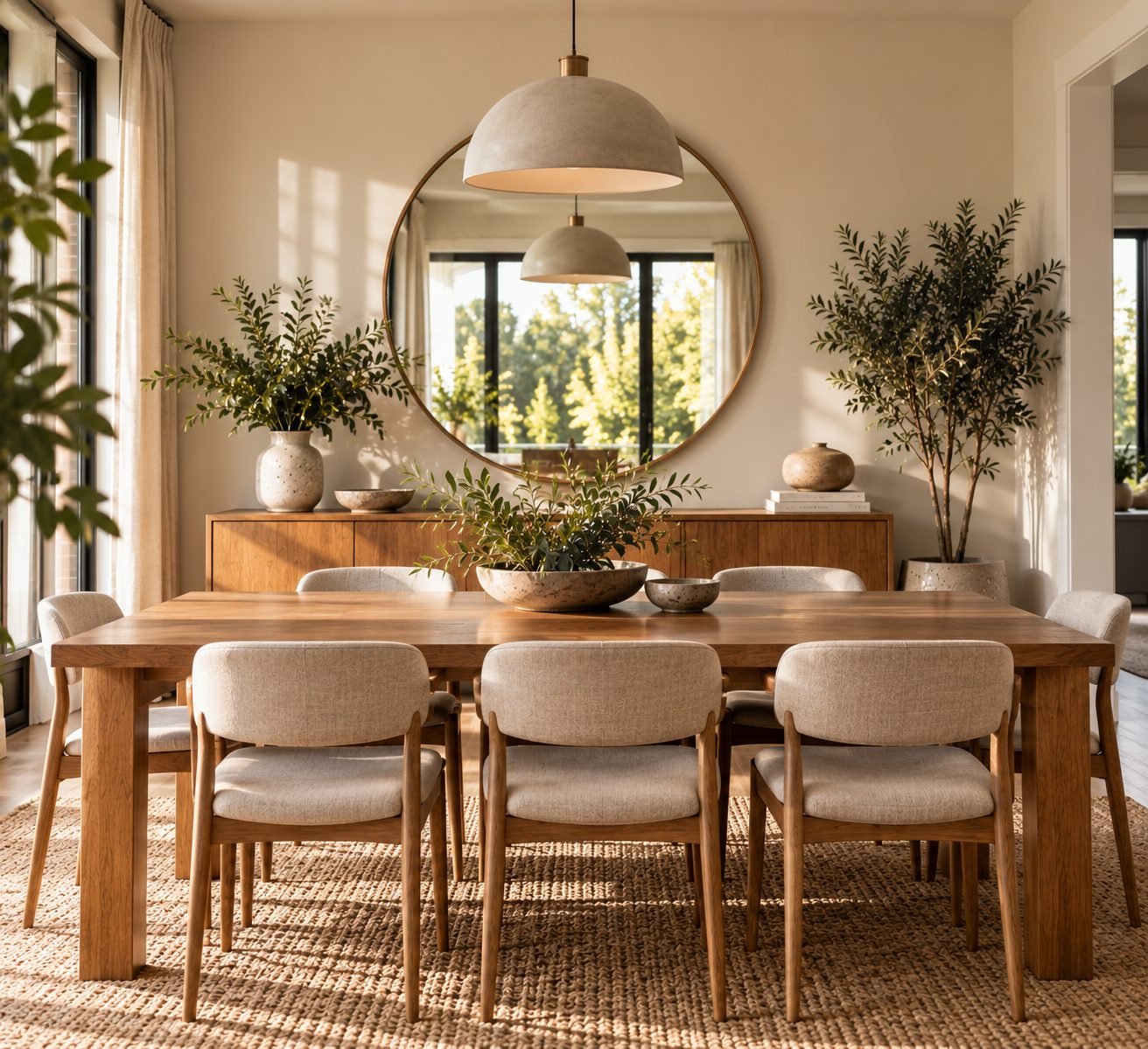
A mirror positioned to reflect a window doubles the sense of light and depth in a room. It's one of the few styling choices that's both decorative and genuinely functional.
19. Mix Old and New Pieces
A room furnished entirely from one source at one time can feel showroom-perfect rather than lived-in. Mixing in one vintage or inherited piece — a side table, a mirror, a chair — gives a room a sense of history that a matching set can't replicate.
20. Use a Statement Light Fixture as a Focal Point
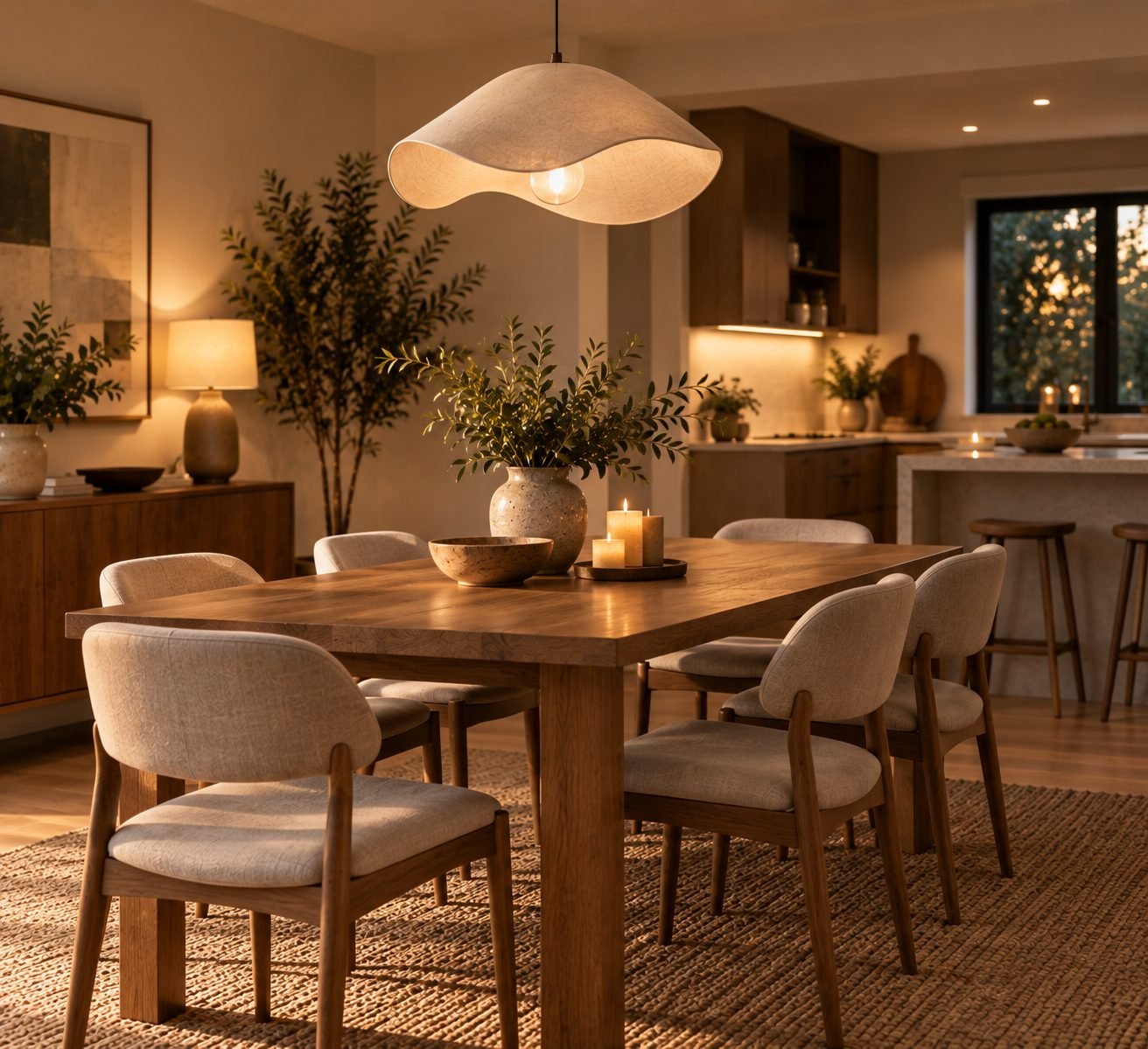
A distinctive pendant or chandelier gives a room an immediate focal point and communicates intention the moment you walk in, even if everything else in the room is kept simple.
21. Style Side Tables With a Lamp, a Stack, and an Object
A bare nightstand or side table looks unfinished; one crowded with too many items looks cluttered. A simple formula — one lamp, one small stack of books, one object like a candle or small dish — hits the balance reliably every time.
22. Add a Bench or Stool for Extra Seating and Styling
A small bench at the end of a bed or a stool beside a bookshelf adds both practical extra seating and another surface to style, without requiring a full extra piece of furniture like a second armchair.
23. Choose Art That's Scaled to the Wall
A small piece of art on a large wall doesn't need a bigger frame. It needs to be bigger, or grouped with others.
Undersized art is one of the most common finishing mistakes above a sofa or bed. As a general guide, art (or a grouped arrangement of art) should span roughly two-thirds of the furniture width below it.
24. Add a Scented Element, Not Just Visual Ones
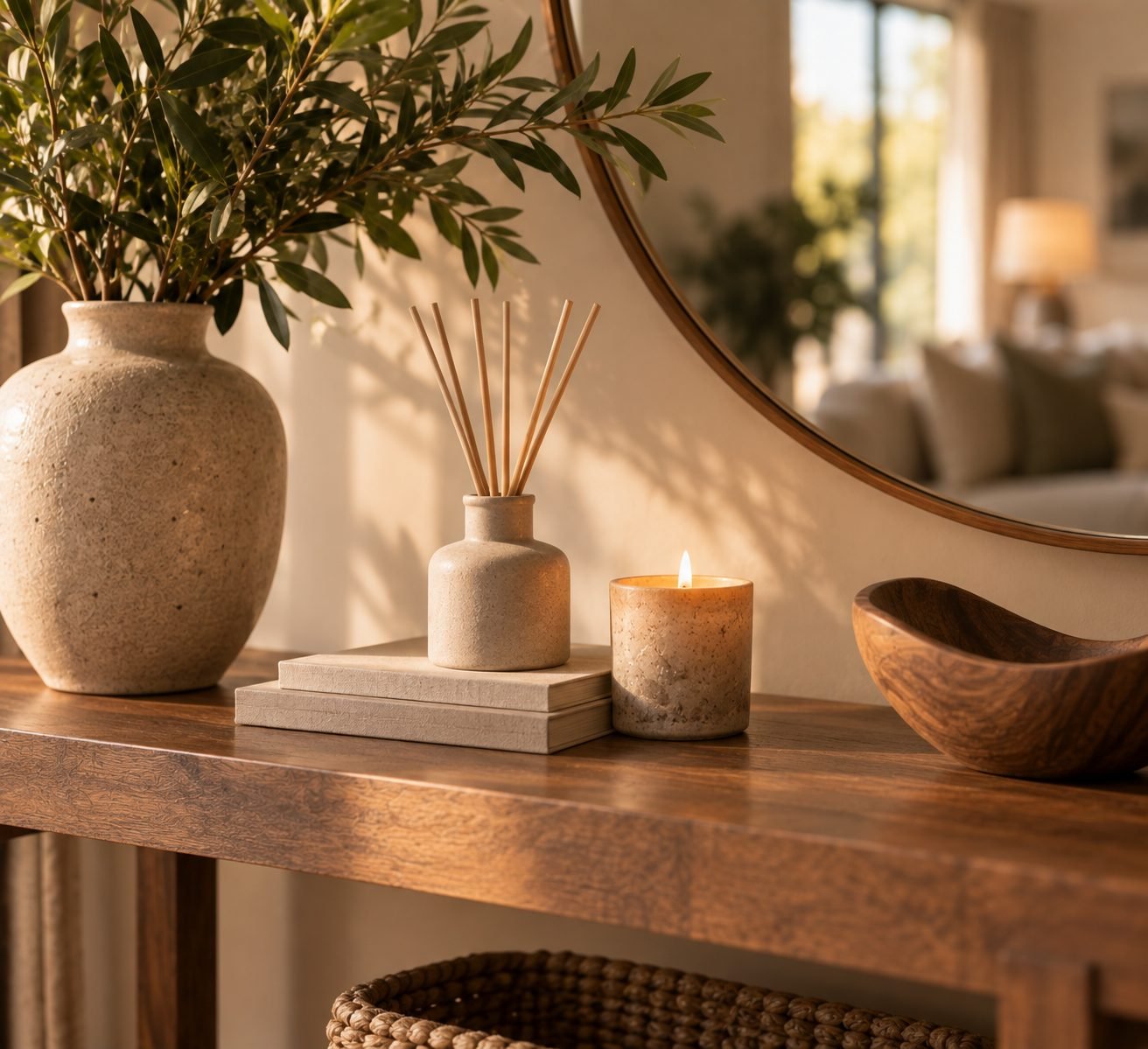
A finished room usually engages more than one sense. A diffuser, a scented candle, or fresh flowers add a layer that's easy to forget when you're focused purely on how a room looks.
25. Edit Down to What You'd Photograph
A useful test for any styled surface: would you take a photo of it right now? If the honest answer is no because of clutter or too many competing objects, that's usually a sign to remove something, not add more. The most finished rooms are almost always edited down, not built up.
Styling as a Habit, Not a One-Time Project
None of these 25 ideas require a renovation or a new furniture budget. Most of them come down to the same underlying skill: noticing what a room actually needs — more height, more texture, less clutter — rather than simply adding more of what's already there.
Start with lighting and rug size, the two changes with the biggest visual payoff, then layer in the smaller styling habits over time. A room styled with intention will always feel more finished than one simply filled with more things.
What's the single biggest styling mistake people make?
Undersizing key pieces — a rug too small for the seating area, art too small for the wall, or a mirror too small for the space it's meant to anchor. Going slightly bigger than feels comfortable is usually the right call.
How do I make a room feel finished without buying anything new?
Restyle what you already own: regroup objects in odd numbers, add height with an existing tall item, repeat one color you already have across a few surfaces, and edit surfaces down rather than adding to them.
Is it okay to mix metal finishes in one room?
It can work, but it's harder to pull off well. Choosing one dominant metal finish and repeating it consistently is the more reliable path to a cohesive, finished-feeling room.
How high should I hang curtains?
Mount the rod as close to the ceiling as practical, and wider than the window frame on each side, then choose a curtain length that just grazes or lightly puddles on the floor. This makes both the window and the room feel taller.